
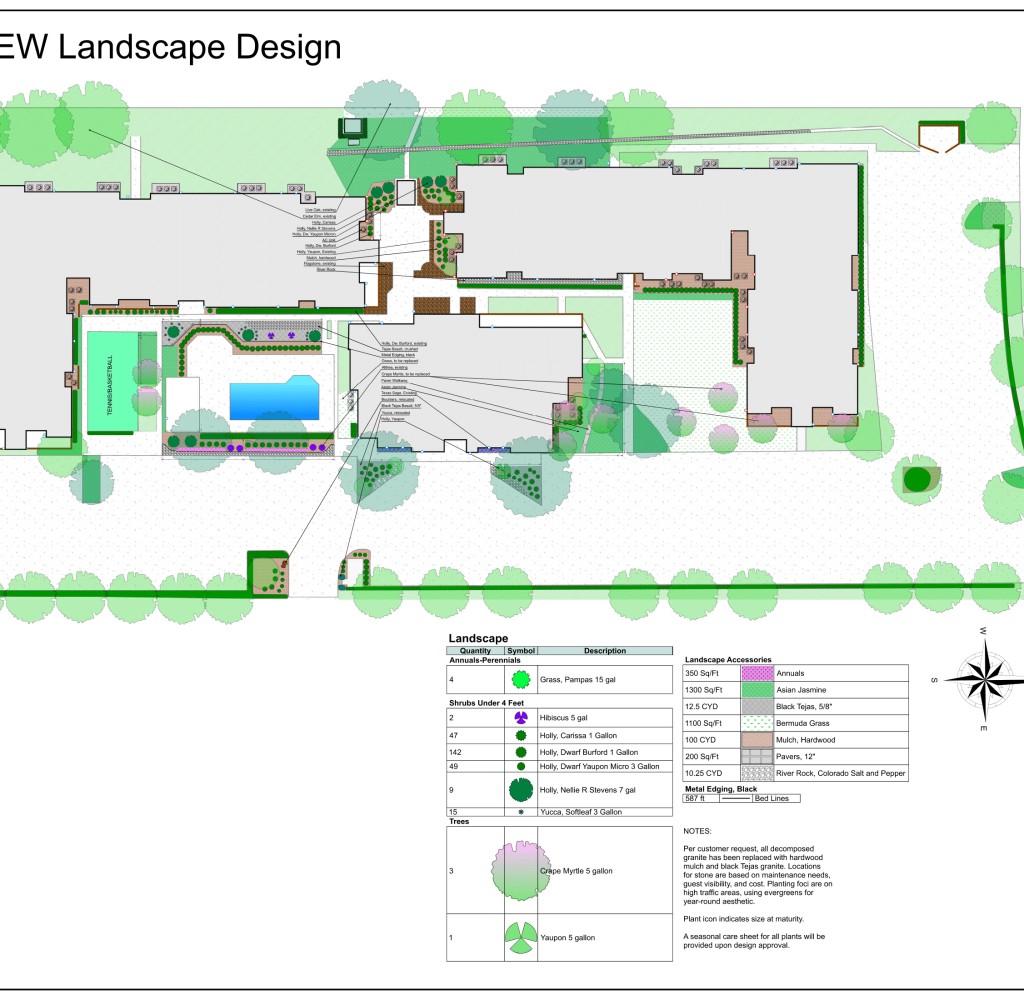
When designing of an ideal landscape, water-efficient maintenance for of your plants’ health is just one of the most critical of considerations. Great landscape irrigation design helps outdoor spaces thrive ensuring that water is not wasted. You can make a garden both beautiful and sustainable, since you cut water use through advanced systems and techniques. To help you achieve an environmentally friendly landscape, we will plan sprinkler system layouts and explore water-efficient irrigation systems, hydrozoning techniques, smart irrigation controllers, and drip irrigation systems.
Sprinkler System Layout Planning: Ensuring Coverage and Efficiency
The planning of sprinkler sysem layout represents a critical component within the effective design for landscape irrigation. Correct sprinkler placement will ensure even coverage to all areas throughout your landscape while minimizing water waste from runoff and also over-spray.
Sprinkler heads should have correct spacing to get coverage that is full without overlap. Also, the layout must weigh plant type, topography, and wind patterns. A well-planned sprinkler system helps minimize water use for you to maintain a lush landscape.
Water-Efficient Irrigation Systems: The Key to Sustainable Landscaping
Irrigation systems for water efficiency minimize water that is wasted. They also give the correct hydration amount to your landscape. These systems use state-of-the-art technology. They deliver water straight to the plant roots, at which it’s needed the most. Your water bill is going to be reduced by your incorporating these said systems into your landscape. These systems now play another vital role for natural resources conservation.
| Irrigation Type | Water Usage Efficiency | Cost | Maintenance Level | Ideal For |
| Drip Irrigation | 90% | High | Low | Garden beds, Trees, Shrubs |
| Sprinkler System | 60% | Medium | Medium | Lawns, Larger Gardens |
| Soaker Hoses | 70% | Low | Low | Flower Beds, Row Crops |
| Smart Sprinklers | 80% | Medium-High | Medium | Lawns, Flower Beds, Shrubs |
| Micro Sprays | 75% | Medium | Low | Small Plants, Raised Beds |
You are able to choose by yourself out from various water-efficient irrigation systems such as drip irrigation or smart sprinkler systems and then tailor those systems so that they fit with your landscape’s specific needs. These systems offer a more sustainable way of keeping landscapes healthy as well as energetic via reducing water lost from runoff along with evaporation.
Hydrozoning Techniques: Grouping Plants by Water Needs
More water-efficient irrigation results from methods like hydrozoning therefore. This is one of the most effective methods for use. This technique involves the grouping of plants with their similar water needs into such zones. For adequate hydration ensures proper plant grouping according to their watering requirements.
- Improved Watering Efficiency: By grouping plants with similar water needs, hydrozoning ensures that water is applied exactly where it’s needed.
- Reduced Water Waste: Avoids overwatering in low-water-demand areas, making it more environmentally friendly.
- Healthier Plants: Plants thrive better when they receive the appropriate amount of water, promoting strong growth.
- Customizable Zones: Allows flexibility in irrigation, accommodating different plant types, soil conditions, and sunlight exposure.
Drought-tolerant plants for instance can be in zones irrigated less while plants needing more water can be in zones irrigated more. Hydrozoning secures water use that is efficient since it cuts waste for building plant growth.
Smart Irrigation Controllers: Revolutionizing Landscape Irrigation
The design of landscape irrigation has been changed through the use of more smart irrigation controllers that are efficient. With these controllers, real-time weather data as well as soil moisture levels alongside environmental factors determine the watering schedules. This technology makes sure that your irrigation system does operate at its highest efficiency, also it gives optimal water usage.
Remote Control and Customization
One of the most significant advantages of smart irrigation controllers is their ability to be controlled remotely. Homeowners can adjust the watering schedules or monitor the system through a smartphone app or web interface, providing convenience and flexibility.
Smartphone App Integration
- Smart controllers typically connect to apps, allowing users to remotely monitor their irrigation system. With an intuitive interface, users can adjust watering schedules and receive alerts, making the system easier to manage.
Tailored Watering Schedules
- The ability to customize the irrigation schedule allows homeowners to adjust watering based on the specific needs of their landscape. This feature ensures that different zones receive the right amount of water at the right time.
Water Conservation and Efficiency Benefits
Smart irrigation controllers play a vital role in water conservation efforts. By ensuring that irrigation is only triggered, when necessary, these systems help reduce water consumption and prevent over-watering, which can be harmful to plants and increase utility bills.
Reducing Water Waste
- These controllers help ensure that water is not wasted by only activating irrigation when it is needed, taking into account soil moisture, weather forecasts, and other environmental factors.
Lower Utility Bills
- Because smart controllers optimize water usage, homeowners can save money on their water bills. The reduction in water waste directly leads to cost savings, making it a smart investment in both efficiency and sustainability.
You are able to program the system only for watering when it is needed by using a smart controller since that can reduce water consumption while also ensuring that your landscape does stay hydrated avoiding over-watering.
Drip Irrigation Systems: Targeted Watering for Maximum Efficiency
For water efficiency, drip irrigation systems are recognized as the best choice. Rather than customary sprinklers spraying water across a large area, drip irrigation delivers water toward each plant’s base through tubing together with emitters. Each plant gets just about the right amount of water in addition to this method minimizing water waste.
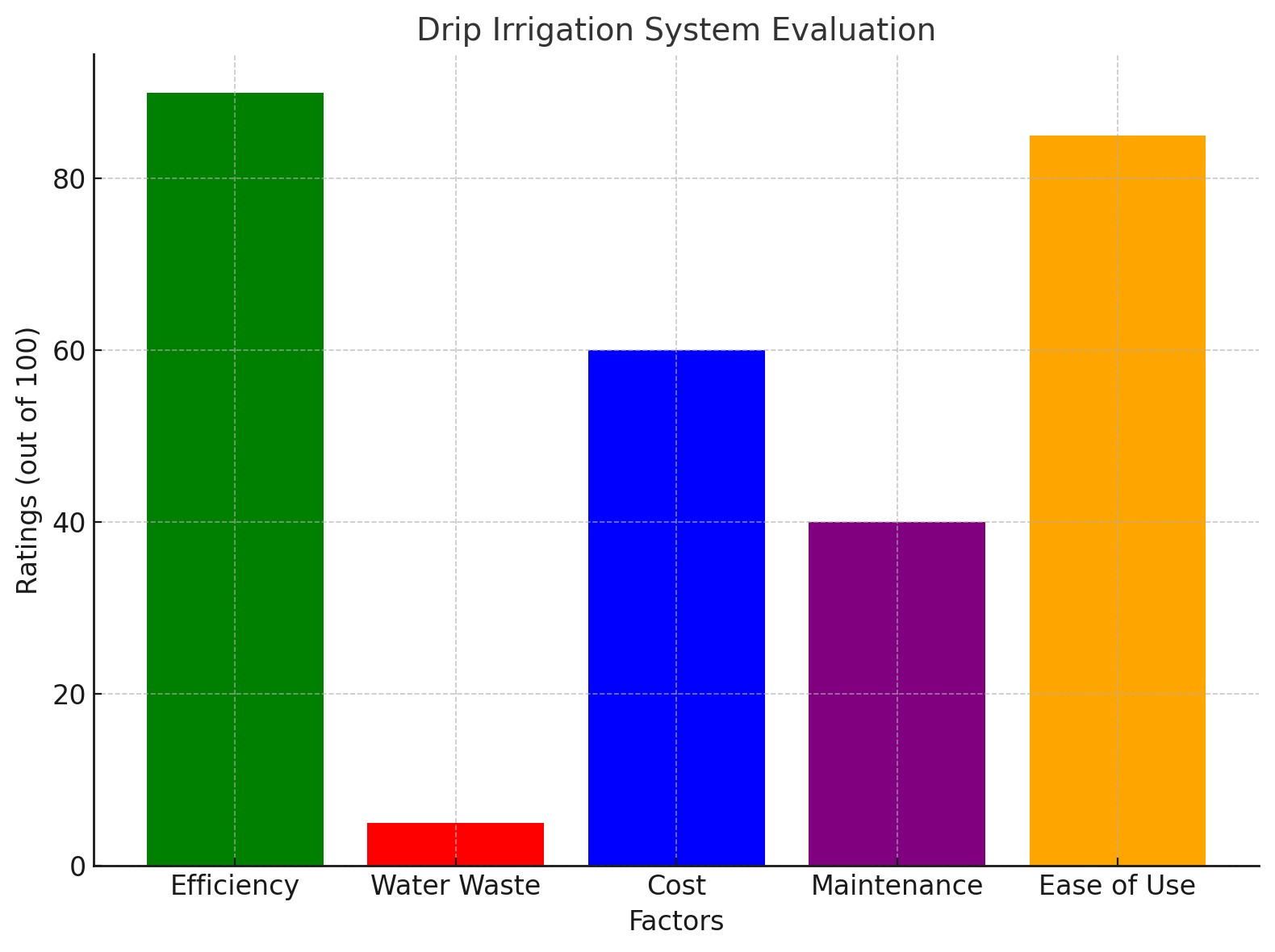
Precision watering is important in flower beds, vegetable gardens, along with shrubs. Drip irrigation systems work well inside these areas. A drip system lets you avoid watering paths or areas without irrigation needs. A drip system is useful for it can help to save water and to maintain a healthy flourishing landscape.
Resolution
For landscape irrigation, effective design greatly impacts plant health when design is incorporated within your outdoor space. Landscape irrigation design can aid water conservation efforts in addition. Careful sprinkler system layout planning lets you create a landscape that thrives sustainably with minimal water via water-efficient irrigation systems, hydrozoning techniques, smart controllers, and drip irrigation systems.
Landscape Artist Design does in fact create certain custom irrigation systems. We focus on tailoring these systems to meet specific needs. Our team of experts is here to guide you through every step of the way, should you need help with sprinkler layout planning.
