
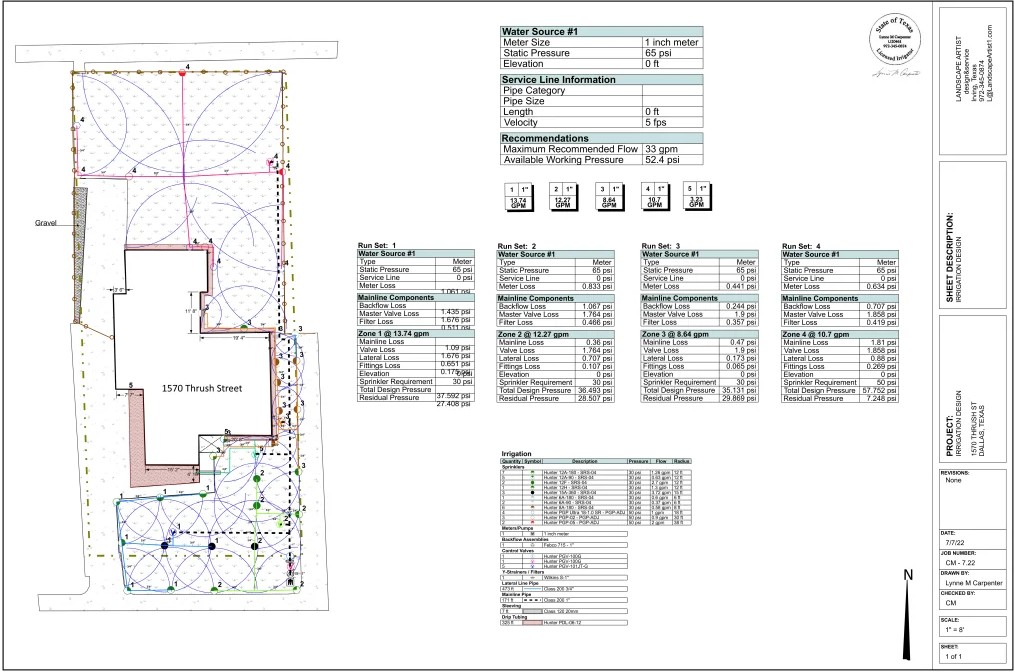
Planning Landscape Irrigation Planning Wisconsin for Wisconsin properties is vital to maintaining the appearance of growing plants. Wisconsin’s climate poses some challenges, including cold winters and humid summers. The lack of a proper plan will lead to a waste of irrigation water, either way, there will be no healthy plants.
An irrigation design requires consideration of soil, plants, drainage and climate. Many sprinkler systems do not consider these attributes which leads to cost and coverage issues. Proper planning ensures that water is applied at a rate adequate to ensure it reaches plant roots without producing flooding or runoff.
The irrigation design nowadays is sustainable. An increasing number of residential and commercial properties are looking for efficient water systems which help save the environment and beautify their landscape. This guide will allow you to learn irrigation basics planning in Wisconsin, overview of system types and tips to achieve ongoing efficiency.
The importance of irrigation planning in Wisconsin
The climate in Wisconsin varies seasonally. Sometimes heavy summer rains follow dry spells. In winter the systems should be shutdown and protected against freezing system temperatures. Irrigation design Wisconsin custom solutions must accommodate the variations.
Soil analysis is a first step of professional irrigation planning. Sandy soil is easily drained while clay soil retains water for a longer period of time. We will not over-water or under-water once we know this.
Another important issue is zoning. Make sure different yard elements are watered on their own time. Zoning irrigated landscape to ensure accuracy.
| Feature | Basic Sprinkler System | Professional Irrigation Plan |
| Soil Consideration | Minimal | Detailed Analysis |
| Seasonal Adjustments | Limited | Integrated |
| Water Efficiency | Moderate | High |
| Long-Term Sustainability | Variable | Optimized |
When irrigation is properly planned, it improves health and avoids waste. Water systems help create refreshing landscapes.
Key Factors in the design of Landscape Irrigation, Wisconsin
An effective system integrates technology and the environment. An ecosystem is a cycle of energy transfer.
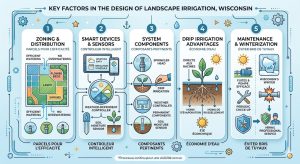
Water’s Zoning and Distribution
Zoning creates land parcels to make them more workable. Each zone functions unilaterally based on the plant’s specifications.
If you have a well-planned Landscape Irrigation Planning Wisconsin project, it will efficiently water your lawn without over watering the flower beds.
Smart devices and sensors
Modern irrigation systems have a programmable controller. These devices change the irrigation timetable depending on the weather.
Usually contain pertinent components
- Zones for sprinkler heads.
- Drip irrigation systems.
- Weather dependent controller.
- Soil moisture sensors.
Water reaches plant roots by drip irrigation system. Summer months see decreased evaporation and runoff.
Preparing for Maintenance Winterization
Prepare your equipment for Wisconsin’s winter. Failing to winterize irrigation lines will likely result in burst pipes. Tangible advantages of hiring a professional landscape maintenance service.
Make sure no leaks and pump is efficient during planting season with periodic check-up of machine.
Examining Traditional Irrigation Techniques and Modern Design
Many properties depend on sprinkler systems with timers. These systems work without rain and also use wastewater.
Couple of similar homes Fixed timer sprinkler system is implemented. The farm has wind pumps that adjust according to moisture.
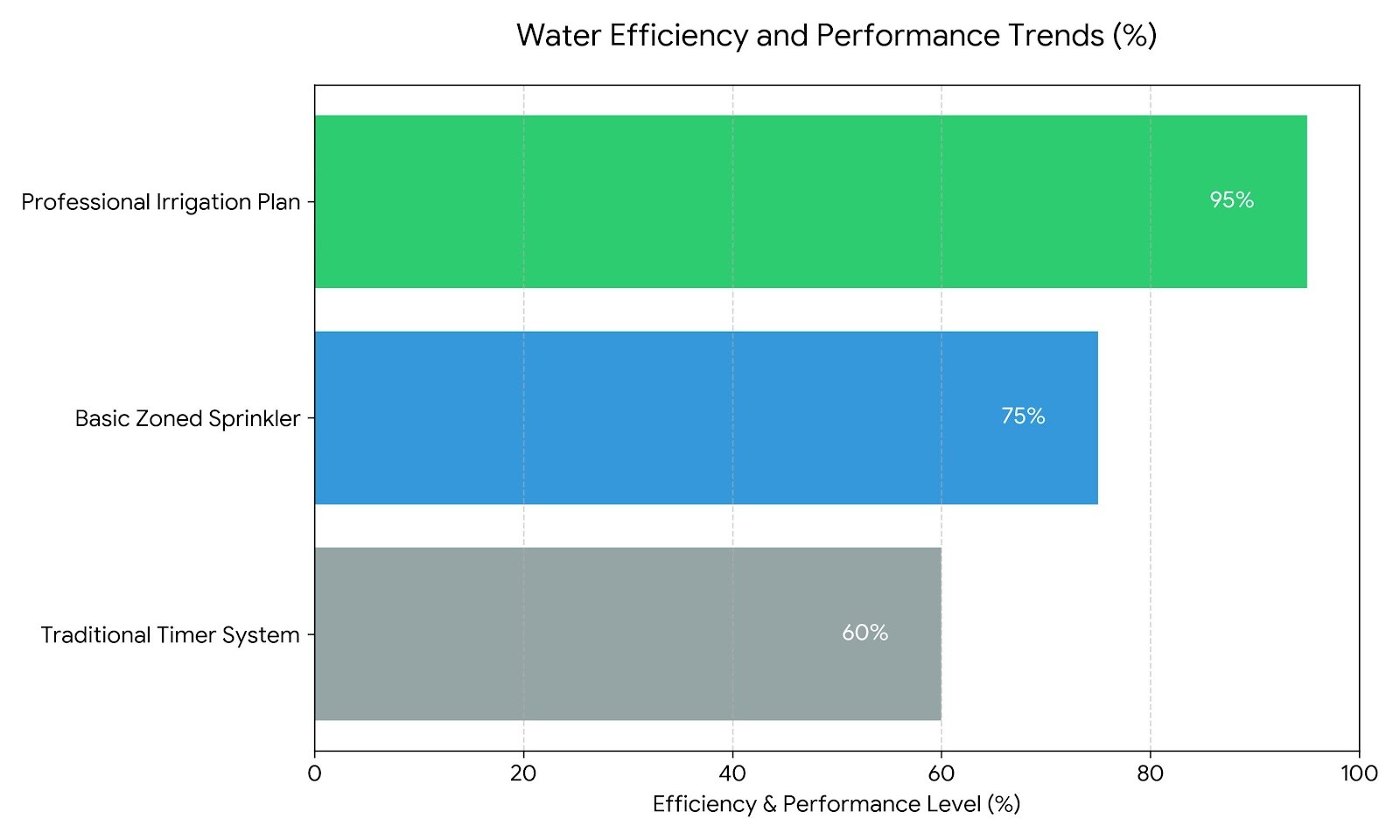
- The National Irrigation Association rates us design 95% efficient at peak optimization, almost double from a timer system as we plan for precise timing.
- Going from a simple timer to a professional plan will increase water consumption savings by 35% helping the environment.
- Professional systems contain weather-based controllers which significantly reduce operating costs, providing performance improvement above 75%. However, basic zoned sprinklers will provide moderate upgrade, which otherwise wouldn’t be there.
Effective Irrigation Planning
An effective irrigation plan requires a professional evaluation. The system design is assessed to match requirements.
The steps to developing landscape irrigation planning Wisconsin are:
- Analyze soil and drainage system.
- Split property into irrigation zones.
- Put in smart weather-responsive controllers.
- Plan for inspections and winterization.
Irrigation specialists can ensure accurate implementation. Consult with your landscaping contractor on plants, sun conditions, and maintenance before installation.
Periodic system checks enhance lifespan. Adjusting valves and cleaning sprinkler heads leads to more uniform coverage.
By investing in modern irrigation technology, the appearance of your landscape will improve and will save water.
Planning for Irrigation in Sustainable Landscape Wisconsin
Landscape irrigation planning Wisconsin ensures healthy landscapes during seasonal changes. Soil conditions, plant requirements, and climate conditions are incorporated in professional design.
Strategic irrigation planning is more efficient and sustainable compared to traditional sprinkler systems. Landscape artist Design uses water-smart controllers and zoning technology to conserve water while ensuring plants receive the right amount of moisture to thrive.
When design and maintenance of property are given priority, property owners can enjoy long-term cost and environmental benefits.
The right irrigation planning can transform a garden into a spectacular landscape. Wisconsin properties can keep their greens watered years after years with proper strategy and professional help without wasting precious water.
